

Many homeowners dismiss cracks in walls or uneven floors as normal ageing. That assumption is often costly.
While some surface cracking is harmless, recurring or expanding cracks combined with floor movement usually indicate underlying foundation problems. These are structural signals, not aesthetic ones.
Foundations are designed to distribute the weight of a house evenly across the ground. When that balance shifts, the structure above responds visibly.
Common Signs of Foundation Problems
Foundation issues rarely appear all at once. They develop progressively and leave consistent warning signs.
Cracks forming around windows and doors, especially diagonal cracks, often suggest differential movement in the footing. Uneven or sloping floors indicate changes in the support beneath the house. Doors and windows that suddenly stick or no longer align properly are another strong indicator.
Gaps appearing between walls and ceilings, or between walls and floors, are not normal settlement. They signal movement that continues beyond the construction period.
Why Houses Move Over Time
House movement is usually driven by changes beneath the structure, not above it.
Soil conditions play a major role. Reactive clay soils expand when wet and contract during dry periods, creating constant pressure changes under footings. Poor drainage can accelerate this cycle, particularly around older homes.
In some cases, original stumps or supports degrade over time, losing their ability to carry a load evenly. Renovations and extensions can also introduce uneven weight distribution if the foundations were not upgraded accordingly.
When Cracks Become a Structural Risk
Not every crack requires urgent intervention, but patterns matter.
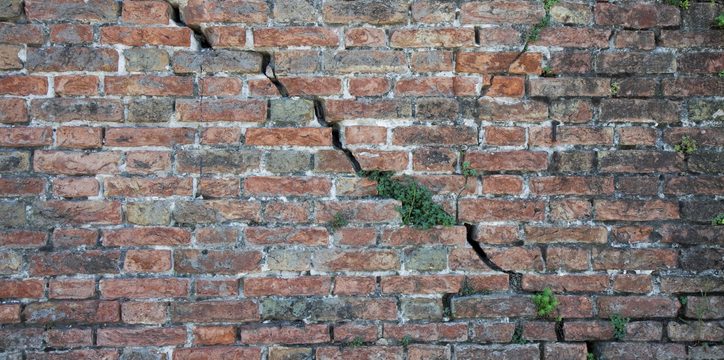
Cracks that reappear after patching, widen over time, or extend through brickwork are red flags. Combined with uneven floors or visible sinking, they suggest active foundation movement.
Ignoring these signs can lead to escalating damage. What begins as minor cracking can progress into compromised structural integrity, higher repair costs, and reduced property value.
Early assessment almost always limits the scope and cost of repair.
Foundation Problems Do Not Fix Themselves
One of the most common misconceptions is that foundation issues stabilise on their own. In reality, movement driven by soil conditions or failing supports tends to worsen without intervention.
Temporary cosmetic repairs hide symptoms but do nothing to address the cause. Proper assessment focuses on what is happening below the house, not just what is visible inside it.
The Importance of Early Assessment
Identifying foundation problems early allows homeowners to plan rather than react.
A professional assessment clarifies whether the issue is minor settlement, ongoing movement, or structural failure requiring corrective work. This distinction determines whether monitoring, targeted repair, or full structural solutions are necessary.
Early clarity protects both the property and the budget.
Final Thought
Cracks in walls and uneven floors are your house communicating stress. Ignoring those signals rarely ends well.
Understanding the signs of foundation problems is the first step. Acting on them at the right time is what prevents long-term damage.
Contact Our Team for a free, fast, reliable quote