
“`html
Many older Melbourne homes experience gradual foundation movement as stumps deteriorate, soil conditions change and moisture levels fluctuate over time. These problems can begin with subtle symptoms but may become more serious if the underlying support system continues to weaken.
Recognising the early warning signs can help homeowners act before movement leads to more extensive structural damage. Below are some of the most common indicators that your property may need professional restumping in Melbourne.
Uneven or Sloping Floors
One of the clearest signs of foundation movement is when floors no longer feel level. You may notice sections that slope, dip or feel unstable underfoot.
This often occurs when stumps beneath the home shift, deteriorate or lose their ability to support the structure evenly. Older Melbourne homes built on reactive soils can be particularly susceptible to this type of movement over time.
Cracks in Walls or Ceilings
Cracks appearing in plaster, brickwork or ceilings can indicate movement within the structure. Small hairline cracks are not always a major concern, but widening cracks, diagonal cracking or cracks that repeatedly return should not be ignored.
If cracking is occurring alongside uneven floors, sticking doors or other signs of foundation problems, the condition of the stumps and subfloor should be professionally assessed.
Doors and Windows Sticking
Doors and windows that suddenly become difficult to open or close can be another sign of structural movement. As the foundation shifts, frames can move slightly out of alignment, causing doors to rub, windows to jam or gaps to appear around openings.
One sticking door does not necessarily mean your home needs restumping, but several alignment issues appearing together can indicate that the structure is no longer being supported evenly.
Bouncy or Spongy Floors
Floors that feel soft, springy or unstable underfoot may indicate weakened stumps, damaged subfloor components or movement beneath the home.
This can be particularly common in older properties where timber stumps have been exposed to moisture, rot or termite activity for many years.
Gaps Around Skirting Boards or Floors
Visible gaps developing between floors, skirting boards, walls or door frames can indicate that sections of the house are moving at different rates.
These gaps may become more noticeable over time if the underlying support problem is not addressed.
Rot, Rust or Termite Damage Beneath the Home
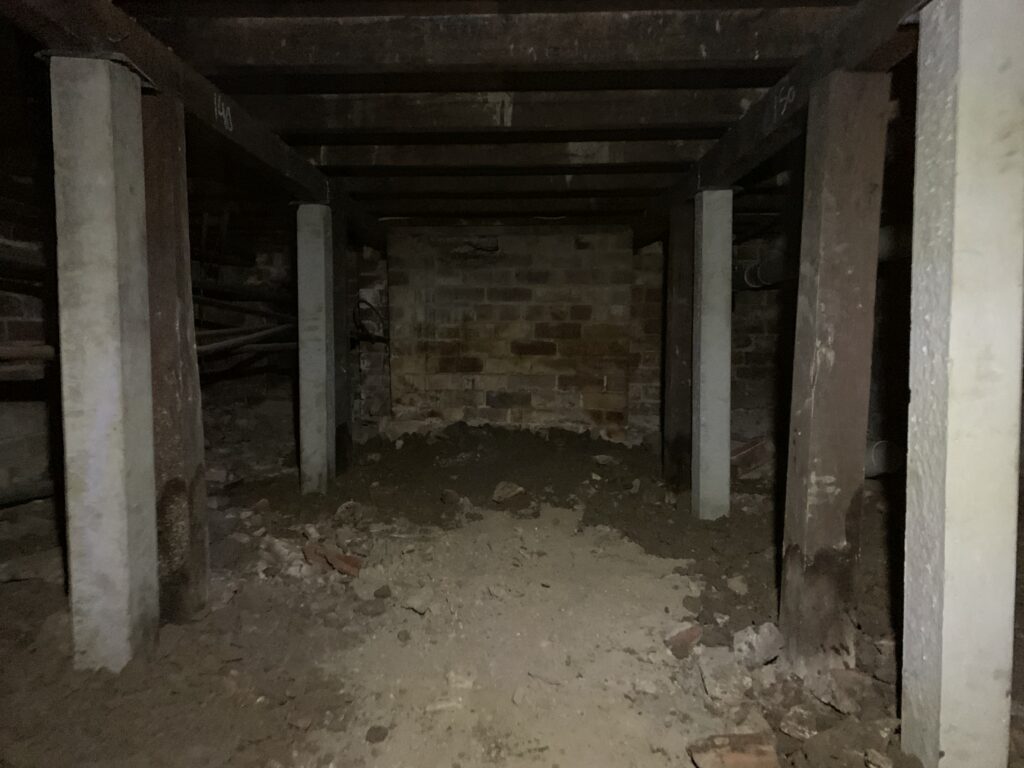
Timber stumps can deteriorate due to moisture, rot and termite activity, while older steel supports may be affected by corrosion. Visible deterioration beneath the home is an important warning sign that the structural supports should be inspected.
Where existing stumps are no longer providing adequate support, replacement may be required to restore stability and reduce the risk of further movement.
When Should You Take Action?
If you are experiencing one or more of these symptoms, it is worth arranging an inspection rather than waiting for the problem to become more severe. Foundation issues rarely correct themselves, and ongoing movement can lead to more extensive repair requirements over time.
A professional assessment can determine whether restumping is required, whether only part of the home is affected, or whether another solution such as house reblocking may be more appropriate.
Get a Professional Restumping Assessment in Melbourne
If your Melbourne home has uneven floors, deteriorated stumps, recurring cracks or signs of structural movement, the next step is a proper on-site assessment.
First Choice Reblocking can inspect the condition of the stumps and subfloor, explain the recommended repair method and provide guidance on the likely scope of work. You can learn more about our Restumping Melbourne services or book a free foundation inspection.
“`