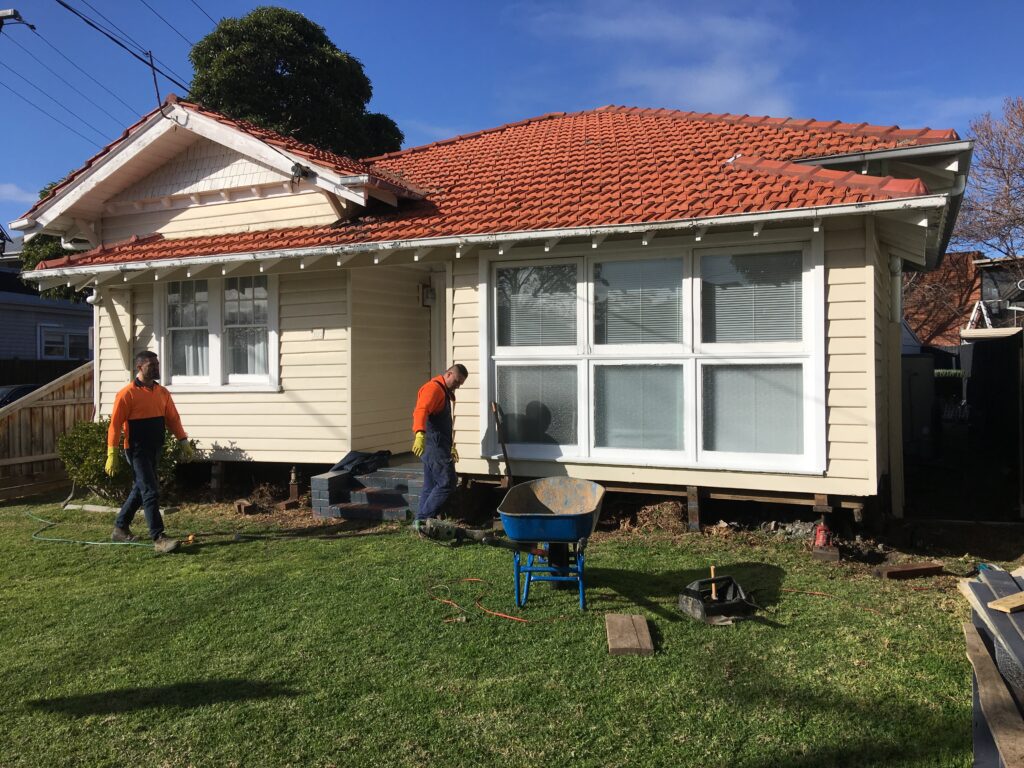

Foundation problems rarely appear overnight. In many Melbourne homes, movement develops gradually as soil conditions, moisture changes and the age of the property begin to affect the foundations.
Underpinning may be required when part of a home’s existing foundation has moved, weakened or can no longer adequately support the structure. The process strengthens and stabilises the affected foundation to help prevent further movement.
However, not every crack or uneven floor means your house needs underpinning. Understanding the warning signs can help you recognise when it may be time to arrange a professional foundation inspection.
1. Cracks Appearing in Walls
Cracks are one of the most common signs homeowners notice when foundation movement occurs.
Small cosmetic cracks are not necessarily a structural concern, but larger cracks, diagonal cracking around windows and doors, or cracks that continue to widen can indicate movement beneath the property.
If cracks are appearing alongside other signs of structural movement, the underlying foundation should be assessed rather than simply repairing the visible damage.
2. Doors and Windows Begin Sticking
Doors or windows that suddenly become difficult to open or close can indicate that parts of the house are shifting.
Foundation movement can cause frames to move slightly out of square, resulting in doors rubbing against frames, windows sticking or gaps appearing around openings.
One sticking door alone may not indicate a foundation problem, but several affected doors or windows can warrant further investigation.
3. Uneven or Sloping Floors
Floors that noticeably slope, dip or feel uneven underfoot can indicate movement beneath the house.
The appropriate repair will depend heavily on the property’s foundation type. Homes constructed on stumps may require reblocking or restumping, while movement affecting footings or foundations may require underpinning.
This is why correctly diagnosing the cause of the movement is important before deciding on a repair method.
4. Gaps Around Walls, Floors or Ceilings
Foundation movement can gradually pull different parts of the building away from one another.
You may notice gaps developing between walls and ceilings, around skirting boards, between flooring and walls, or around window and door frames.
These gaps can indicate that different sections of the property are moving at different rates.
5. Part of the House Appears to Be Sinking
Visible settlement affecting one section of a home is a stronger indication that the foundation may require professional attention.
Underpinning can be used to strengthen and stabilise foundations where settlement has occurred. The appropriate solution depends on the extent of movement, soil conditions, existing foundation and structural requirements.
If you’re unsure how this differs from other foundation repairs, our guide to reblocking vs underpinning explains when each method is typically used.
6. Cracks Keep Returning After Repairs
Repairing and repainting a crack does not address its underlying cause.
If cracks repeatedly return after being patched, particularly in the same locations, ongoing movement may still be occurring beneath the property.
In these circumstances, identifying and addressing the source of the movement is more important than repeatedly repairing the cosmetic damage.
7. Several Warning Signs Are Appearing Together
One symptom does not automatically mean your home needs underpinning. The situation becomes more concerning when several symptoms occur together.
For example, widening wall cracks combined with sloping floors, sticking doors and visible settlement provide a stronger reason to investigate the foundations.
A professional assessment can determine whether underpinning is necessary and, if it is, the extent of work required. Because every property is different, underpinning costs in Melbourne can vary according to factors such as the number of underpinning points required, site access, soil conditions and engineering requirements.
Does Your Melbourne Home Need Underpinning?
The only reliable way to determine whether underpinning is required is to inspect the property and identify what is causing the movement.
If you’ve noticed cracking, uneven floors, sticking doors or other signs of foundation movement, First Choice Reblocking can inspect your home and recommend an appropriate solution.
Before proceeding with repairs, you can also read our guide explaining how much underpinning costs per pier in Melbourne and the factors that influence the overall cost of underpinning.
Contact First Choice Reblocking to arrange a free foundation inspection in Melbourne and determine the right next step for your property.