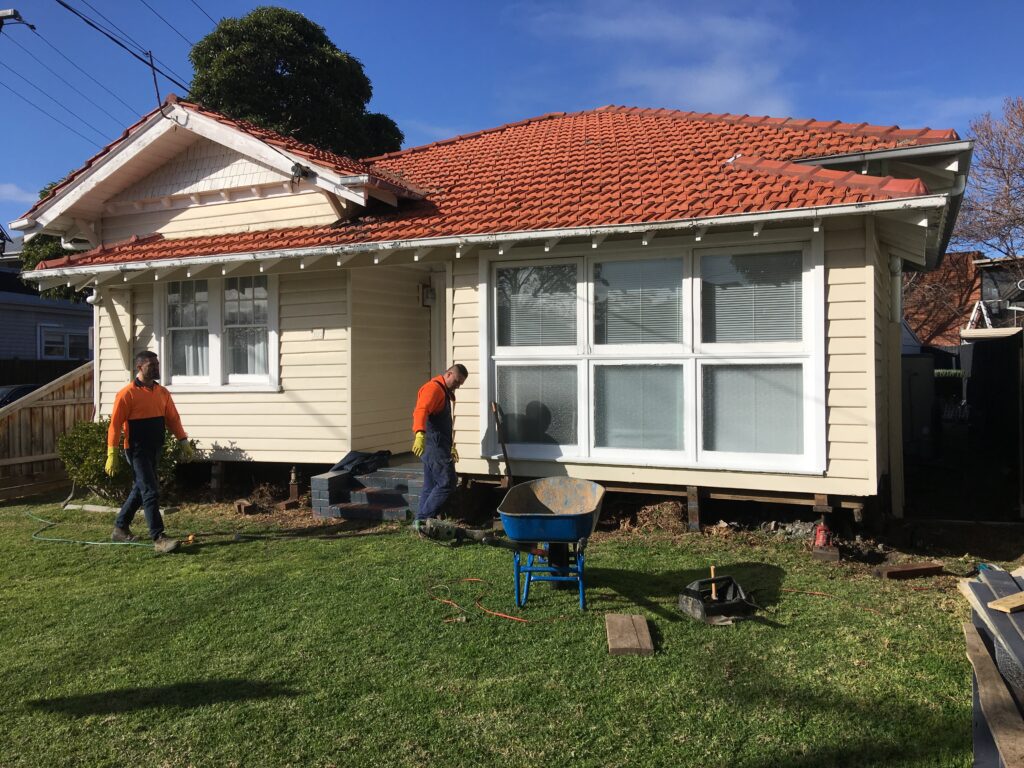

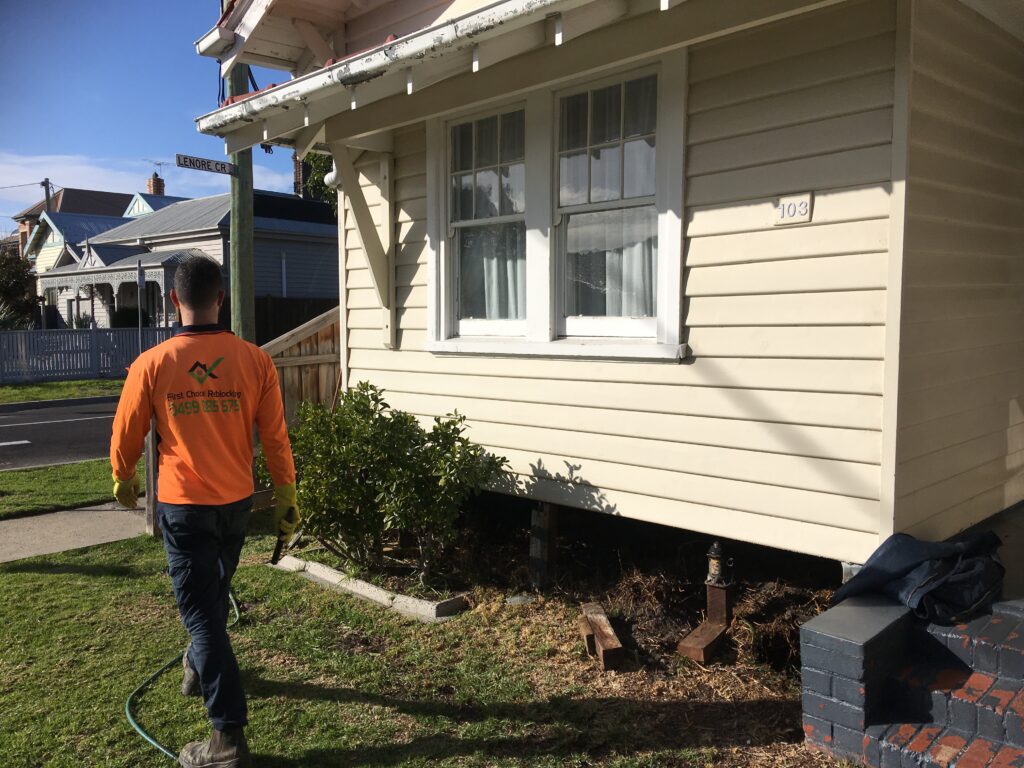
House movement is one of the most common structural issues affecting homes across Melbourne.
Many homeowners notice cracks, uneven floors, or sticking doors, but few understand what is actually causing these changes. In most cases, the issue starts beneath the house, not within the walls themselves.
Understanding the root causes of house movement is critical. Without that, repairs often address symptoms rather than the underlying problem.
The Main Cause: Reactive Soil in Melbourne
Melbourne’s soil conditions are a major contributor to foundation movement.
Large areas across Victoria sit on reactive clay soil. This type of soil expands when it absorbs moisture and contracts when it dries out. Over time, this constant expansion and contraction create pressure beneath the foundation.
As the soil shifts, it causes parts of the house to lift or sink unevenly. This is one of the leading reasons for cracks in walls and structural misalignment.
Poor Drainage Around the Property
Water management plays a significant role in foundation stability.
When water accumulates around the base of a home due to poor drainage, leaking pipes, or ineffective gutters, the soil becomes oversaturated. This leads to expansion and softening of the ground beneath the structure.
On the other hand, prolonged dry periods can cause the soil to shrink and pull away from the foundation.
Both extremes create instability.
Ageing or Failing Stumps
Older homes, particularly those built on timber stumps, are more vulnerable to movement over time.
Timber can deteriorate due to moisture, pests, or natural ageing. As stumps weaken, they lose their ability to evenly support the structure.
This leads to uneven weight distribution, which often shows up as sloping floors or visible sagging in parts of the house.
Tree Roots and Vegetation
Large trees near a property can significantly impact soil conditions.
Tree roots draw moisture from the soil, causing it to dry out and contract. This is particularly problematic in areas with reactive clay.
Inconsistent moisture levels around the property can create uneven ground movement, which directly affects the foundation.
Renovations Without Structural Adjustments
Extensions and renovations can introduce additional load to a home’s structure.
If the foundation was not upgraded to handle the added weight, the house may begin to settle unevenly. This is especially common in older properties where new sections are added without reinforcing the original support system.
Natural Settlement vs Structural Movement
Not all movement is a cause for concern.
New homes often experience minor settlement during the first few years after construction. This type of movement is usually uniform and stabilises over time.
However, ongoing or uneven movement is different. When cracks widen, floors slope, or doors stop aligning properly, the issue is no longer simple settlement.
It becomes a structural concern.
When Should You Be Concerned?
Certain signs indicate that house movement requires attention.
- Cracks that continue to grow or reappear
- Uneven or sloping floors
- Doors and windows that no longer close properly
- Gaps forming between walls, ceilings, or floors
These symptoms suggest that the movement is active and affecting the structural integrity of the home.
Why Identifying the Cause Matters
Treating foundation problems without understanding the cause often leads to repeat issues.
For example, repairing cracks without addressing drainage or soil movement will not stop the problem. Similarly, replacing stumps without correcting structural imbalance may only provide temporary relief.
Accurate diagnosis ensures that the chosen solution addresses the root issue, not just the visible damage.
What Happens If You Ignore House Movement?
Ignoring foundation movement can lead to escalating damage over time.
Minor cracks can develop into structural fractures. Uneven floors can worsen, creating safety concerns. Property value may also be affected, particularly during inspections or resale.
Early action typically reduces both cost and complexity.
Final Thought
House movement in Melbourne is often driven by environmental factors, structural ageing, or both.
Understanding what causes these changes allows homeowners to make informed decisions and avoid unnecessary repairs.
The key is not just recognising the signs, but acting on them before the damage progresses.