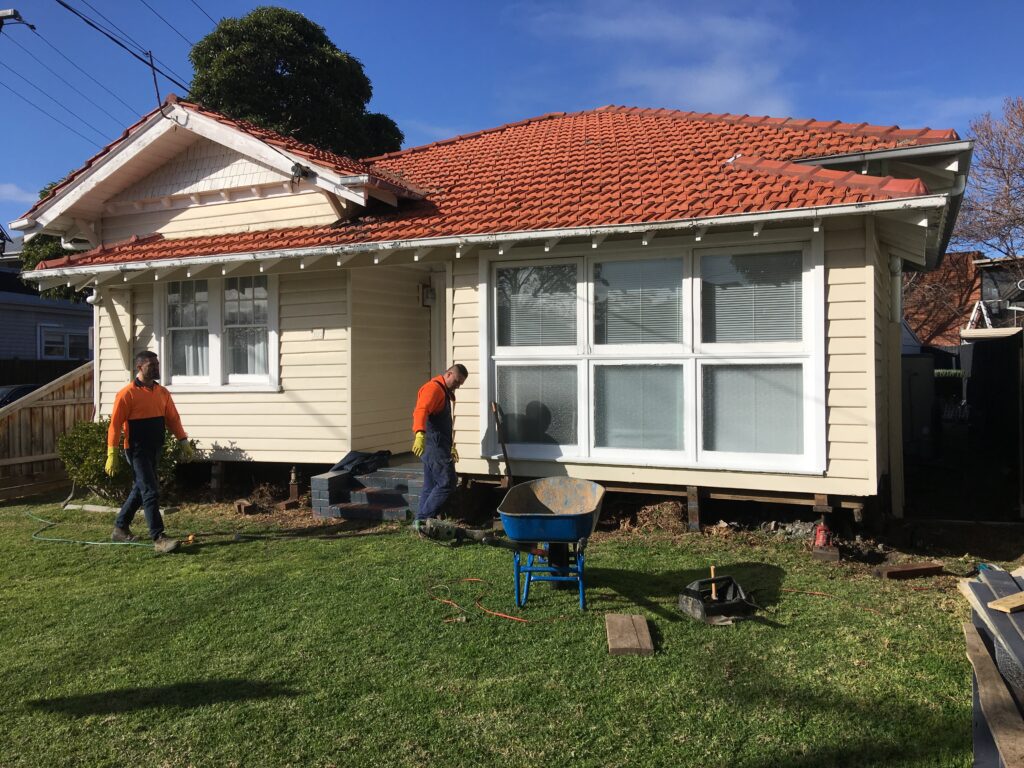

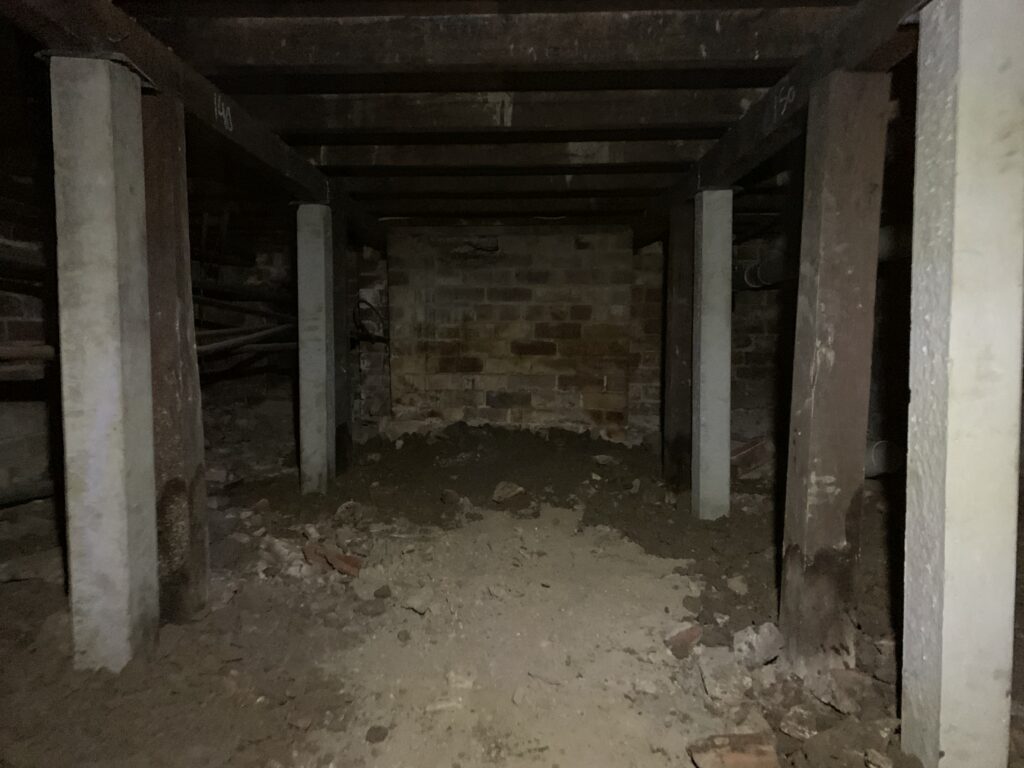
Restumping in Melbourne costs $200 to $350 per stump, or $15,000 to $30,000+ for most homes in 2026.
Smaller homes with minimal damage sit at the lower end. Larger properties, restricted subfloor access, or homes with structural complications move toward the higher range.
Restumping is one of the most common structural repairs for older homes across Melbourne, particularly those built on timber stumps. No two projects are identical, but the ranges below give homeowners a realistic benchmark before an inspection.
Restumping cost by house size
| Property | Typical stump count | 2026 cost |
|---|---|---|
| Partial restump (one section) | 10 to 20 | $3,000 to $7,000 |
| Two-bedroom home | 30 to 40 | $8,000 to $14,000 |
| Three-bedroom home | 45 to 65 | $12,000 to $22,000 |
| Large or period home | 80 to 120 | $20,000 to $30,000+ |
Indicative for Melbourne metro, assuming standard access and no re-levelling required.
Cost per stump explained
Restumping is usually priced per stump, which gives a clearer breakdown than a single project figure. Material choice moves the rate within the $200 to $350 band.
- Timber stumps ($200 to $250): lowest upfront cost, shortest lifespan, rarely the right choice for a full replacement
- Concrete stumps ($250 to $300): mid-range cost, strong durability, the standard choice for most Melbourne homes
- Steel stumps ($300 to $350+): highest upfront cost, best long-term performance on high-movement sites
Material is only part of it. Labour intensity and site accessibility often move the final rate more than the stump itself does.
What affects restumping costs
Restumping is not a fixed-price service. Six variables drive the quote.
1. Size of the property. More stumps means more materials, more labour and more days on site. This is the largest single factor.
2. Condition of existing stumps. Severely deteriorated stumps, or stumps that have rotted into their footings, add excavation and disposal time. Homes that have been partially restumped before often cost more, not less, because mismatched work has to be corrected.
3. Access under the house. Anything under 500mm of subfloor clearance means manual excavation and slower work. Rear extensions built low to the ground are the most common cause of access-related cost increases.
4. Soil conditions in Melbourne. Reactive clay expands in winter and contracts in summer, which is why homes across the inner north and east move seasonally. Reactive soil requires deeper, better-engineered footings. Understanding what causes house movement is what determines whether a repair holds.
5. Level of structural movement. If the house needs re-levelling rather than straight stump replacement, the job becomes a reblock and the cost increases accordingly.
6. Choice of materials. Concrete and steel cost more upfront but outlast timber by a significant margin.
Restumping vs reblocking: the price difference
Homeowners often use these terms interchangeably, but the pricing gap reflects a real difference in scope.
- Restumping ($200 to $350 per stump) replaces damaged stumps. The house stays where it is.
- Reblocking ($300 to $500 per stump) lifts the house, re-levels it, and installs new stumps at the corrected height.
Restumping is cheaper upfront, but it does not resolve movement that has already occurred. If the house has dropped and you only restump, you have replaced the supports and locked in the distortion. Doors still stick, floors still slope, and the cracks do not close.
Full pricing by house size is in our reblocking cost Melbourne guide. If foundation settlement rather than stump failure is the issue, our reblocking and underpinning comparison explains when underpinning Melbourne is the correct method instead.
Choosing the wrong option leads to repeat repairs, and the second job always costs more than getting it right the first time.
Hidden costs to check for
Some quotes come in lower because they exclude components others include. Before comparing totals, confirm whether these are in scope:
- Site preparation and excavation for each stump hole
- Removal and disposal of the old stumps
- Re-levelling adjustments
- Drainage correction, where poor drainage caused the deterioration
- Making good internally after the work
- Warranty terms and what they cover
Ask for the scope in writing. Two quotes several thousand dollars apart are usually describing two different jobs.
How to avoid overpaying for restumping
Price alone should not drive the decision. To get genuine value:
- Compare scope of work, not just the total figure
- Confirm whether re-levelling is included or excluded
- Ask about material lifespan and what the warranty actually covers
- Make sure the solution addresses the cause of movement, not just the symptom
- Check the contractor’s registration and insurance
Low-cost quotes frequently reflect partial fixes rather than complete solutions. Our guide on how long restumping takes sets out what a full scope of work should involve.
Can you get an accurate quote without an inspection?
Not a final one, but you can get close.
Stump count, subfloor access and the degree of movement drive most of the cost, and all three need to be seen to be priced properly. What a contractor can tell you beforehand is which bracket you are in. Based on your home’s age, size and suburb, you should know whether you are looking at a $10,000 job or a $30,000 one before anyone attends.
What an online estimate cannot tell you is the cause of the movement, and that is what determines whether the repair holds or has to be redone.
Is restumping worth the investment?
For homes with deteriorating stumps but minimal structural distortion, restumping is a cost-effective solution. It restores support, improves stability, and can significantly extend the serviceable life of the property.
It also removes a defect that appears in building inspections and affects sale price, so the work typically returns a meaningful share of its cost at resale.
Where structural movement is widespread, a more comprehensive approach is required to prevent recurrence. Our guide to the signs a house needs restumping covers how to tell which situation applies to your home.
Get a fixed price for your home
Restumping costs in Melbourne vary because no two homes move the same way. Understanding the range matters, but choosing the right structural solution protects the property long term.
A free on-site inspection identifies the cause of the movement and gives you a fixed-price quote with the full scope in writing, so you know exactly what is included before you commit.
Check our Service Area